Enzyme Supplier for Tannery Wastewater Treatment
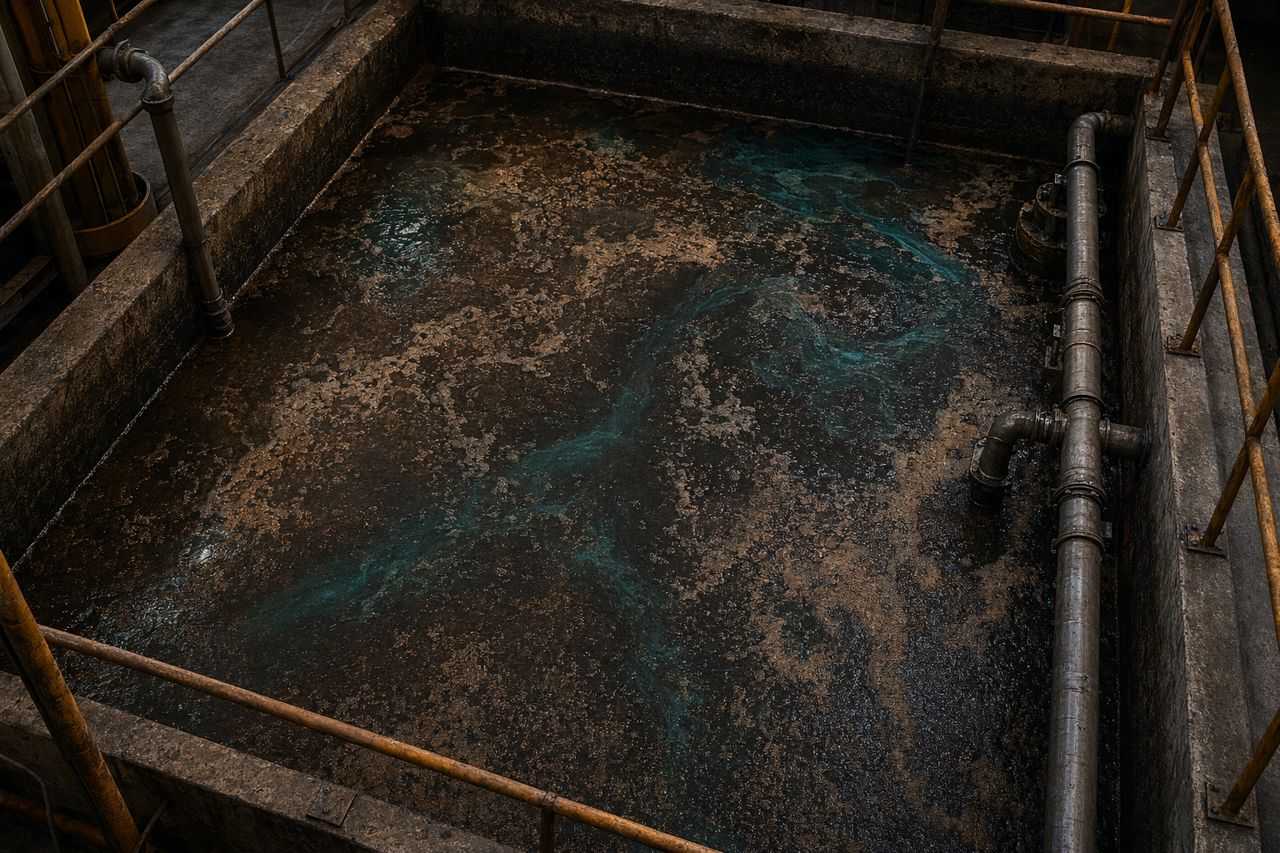
Leather goods effluent is rarely steady. Beamhouse residues, fleshing carryover, liming liquor, fat, protein, dye, finishing chemistry, and washdown water can all arrive at the ETP in uneven waves.
Peltora supplies enzyme solutions for tannery wastewater treatment where the objective is practical: make high-strength organic load easier to handle before it creates odor, aeration stress, poor settling, excess sludge volume, or compliance risk.
[Faceless explainer video embed: tannery wastewater pretreatment with Peltora enzyme support]
Enzyme support for leather goods ETPs
Peltora works with environmental managers, ETP supervisors, and plant engineers who need more stable treatment performance without overcomplicating the process.
Our enzyme programs are designed to support pretreatment of wastewater containing:
- Proteinaceous load from soaking, liming, unhairing, fleshing, and trimming residues
- Fats, oils, grease, and natural hide lipids that affect flotation, scum, and sludge behavior
- Variable COD and BOD loading from mixed beamhouse and wet-end streams
- Suspended solids and colloidal organics that resist clean separation
- Odor pressure linked to sulfide-bearing and high-organic wastewater
- Sludge with poor dewatering, high volume, or inconsistent handling characteristics
Peltora does not position enzymes as a replacement for primary clarification, aeration control, sulfide management, pH correction, or disciplined ETP operation. We supply them as a targeted biological pretreatment aid that can make the incoming load more manageable.
Where enzymes fit in tannery wastewater treatment
In a leather goods effluent treatment plant, enzyme addition is typically considered where influent strength and variability are creating operational strain.
Common integration points include:
Equalization tank support
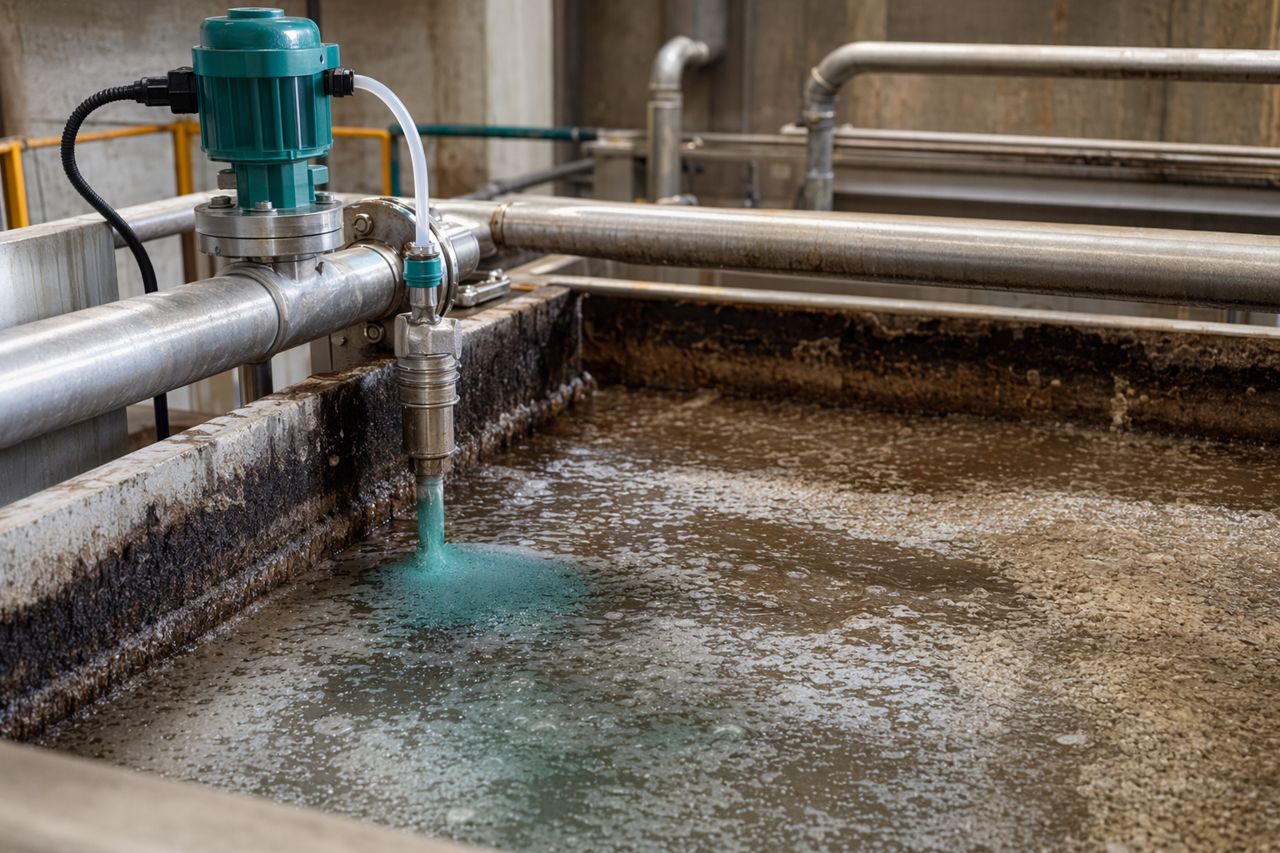
For plants with uneven discharge from production areas, enzyme dosing into equalization can help begin breaking down protein and fat load before downstream treatment. This can support better mixing behavior and reduce shock loading into biological stages.
Pretreatment before aeration
Where aeration is carrying excessive organic burden, enzymes may help convert complex organic material into forms that are easier for the treatment biology to process, supporting steadier oxygen demand and fewer process upsets.
Sludge handling improvement
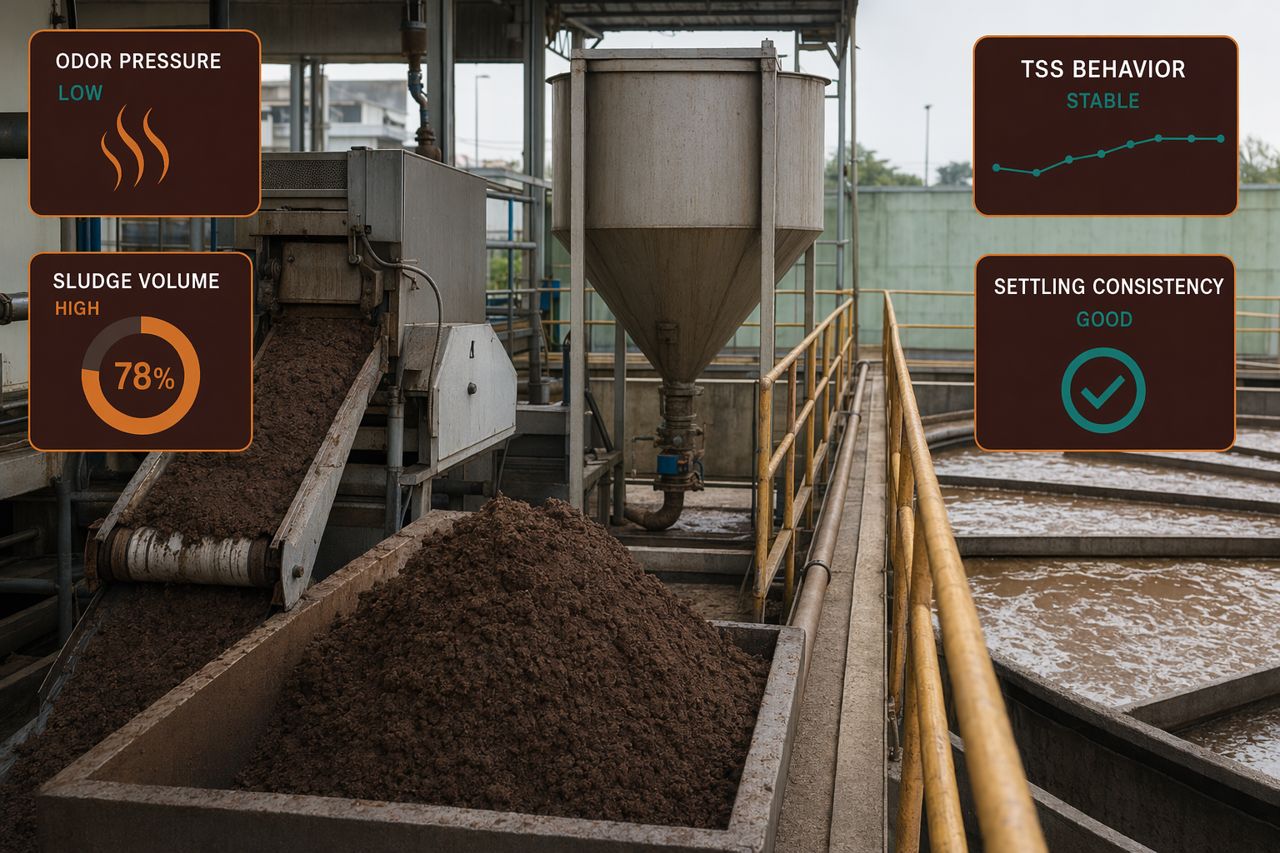
Protein-rich and fatty wastewater can contribute to heavy, difficult sludge. A properly selected enzyme program can support improved sludge conditioning behavior, more predictable settling, and reduced handling friction.
Odor pressure reduction
Odor in tannery wastewater is often a sign of high-strength organic load, sulfide-bearing streams, poor mixing, or delayed treatment. Enzyme pretreatment can support odor reduction as part of a broader control plan that includes segregation, pH control, aeration, and housekeeping.
Problems we help ETP teams address
Peltora is a fit when your plant is seeing one or more of these patterns:
- COD and BOD spikes after beamhouse or wet-end production changes
- Greasy surface layers in equalization or primary treatment
- High TSS carryover into biological treatment
- Odor complaints around equalization, sludge pits, or holding tanks
- Aeration systems struggling after high-load production days
- Clarifier instability, floating sludge, or inconsistent settling
- Sludge volume that is costly to remove, dewater, or transport
- Compliance risk caused by variable influent rather than a single fixed process fault
Why tannery wastewater needs a specific enzyme approach
General wastewater enzyme blends are often too broad for tannery conditions. Leather goods effluent brings a specific mix of collagen-derived proteins, hide fat, lime residues, sulfide chemistry, dyes, surfactants, salts, and fluctuating pH.
Peltora evaluates the actual plant context before recommending an enzyme solution. We look at:
- Production mix and seasonal beamhouse variability
- Stream segregation practices
- Equalization volume and mixing quality
- Current pH correction and chemical program
- Primary separation performance
- Aeration capacity and biological treatment stability
- Sludge generation, dewatering behavior, and disposal cost
- Discharge limits and recurring compliance pressure points
The result is a recommendation built around plant reality, not a generic wastewater label.
Expected buyer value
A Peltora enzyme program is selected to support measurable operational outcomes such as:
- More manageable high-strength influent
- Reduced greasy and proteinaceous buildup in early treatment stages
- Lower odor pressure around equalization and sludge handling areas
- Better compatibility with existing chemical and biological treatment steps
- Improved settling and sludge handling consistency
- Fewer surprises during production variability
- A clearer pretreatment plan for compliance-focused ETP teams
Actual performance depends on wastewater composition, residence time, mixing, temperature, pH, chemical interactions, and operating discipline. Peltora helps define a practical plant trial so your team can evaluate fit under real conditions.
How Peltora supports your plant trial
We keep the process direct and plant-literate.
-
Review your wastewater profile
Share your ETP flow pattern, production streams, COD/BOD trends, TSS behavior, odor issues, sludge pain points, and current chemical program. -
Identify the target application point
We recommend where enzyme addition is most likely to help: equalization, pretreatment, sludge conditioning support, or another controlled point in the treatment train. -
Recommend a practical dosing approach
Your team receives a dose window and operating guidance based on wastewater strength, retention time, mixing, and ETP objectives. -
Run a controlled plant trial
Track practical indicators such as odor, surface grease, settling behavior, sludge volume, aeration stability, and discharge trend consistency. -
Refine for routine operation
If the trial supports continued use, Peltora helps align the enzyme program with your production schedule and compliance priorities.
Built for leather goods effluent treatment plants
Peltora is for plants that need an enzyme supplier for tannery wastewater treatment with a working understanding of beamhouse variability, fat and protein load, liming residues, sulfide-related odor, and sludge constraints.
We supply enzyme solutions for ETP teams that need stable discharge performance, cleaner operations, and fewer last-minute corrective actions.
Request a quote
Tell us what your ETP is handling and where the process is under pressure. Peltora will review your application and recommend an enzyme option for your tannery wastewater treatment goals.